Light Box, Face-Lit or Halo-Lit? Choosing an Illuminated Sign in Nairobi

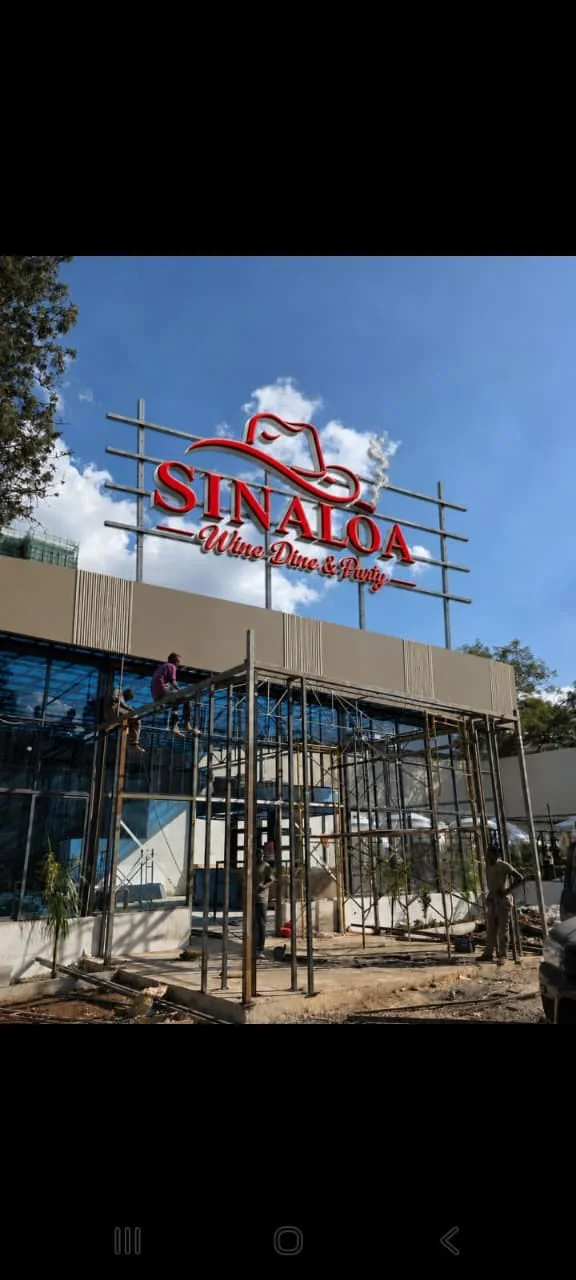
An unlit sign stops working at about six in the evening. On a Nairobi high street, on Mombasa Road or in a mall corridor, that is exactly when foot traffic peaks. A lit sign keeps your name in front of the people walking home. There are three ways to light one, and each suits a different shop, a different budget and a different job.
The short answer
Choose a light box for a picture, menu or full-colour logo. Choose face-lit letters when the name must be read from across a road. Choose halo-lit letters for a quiet, premium look on a bank, clinic or reception wall. Whatever you choose, ask which LED modules are inside and see their datasheet.
Key takeaways
- Light boxes are the lowest cost per square foot and the face can be reprinted when the menu or offer changes.
- Face-lit letters are the brightest: the light comes straight out through an acrylic face.
- Halo-lit letters glow from behind a solid metal face. Quieter, and more expensive.
- The LEDs decide the lifespan. A quality sign module is built for 50,000 hours, more than eleven years of twelve-hour nights.
The three ways to light a sign
| Type | How it looks | Best for | Starting price |
|---|---|---|---|
| Light box | A printed translucent face lit evenly from behind | Menus, pharmacies, full-colour logos, changing offers | From KSh 18,000 |
| Face-lit letters | Each letter glows through its acrylic face | Names that must be read from across a road | From KSh 2,500 per letter |
| Halo-lit letters | Solid metal faces with light washing the wall behind | Banks, clinics, receptions, premium frontages | Quoted per letter; more than face-lit |
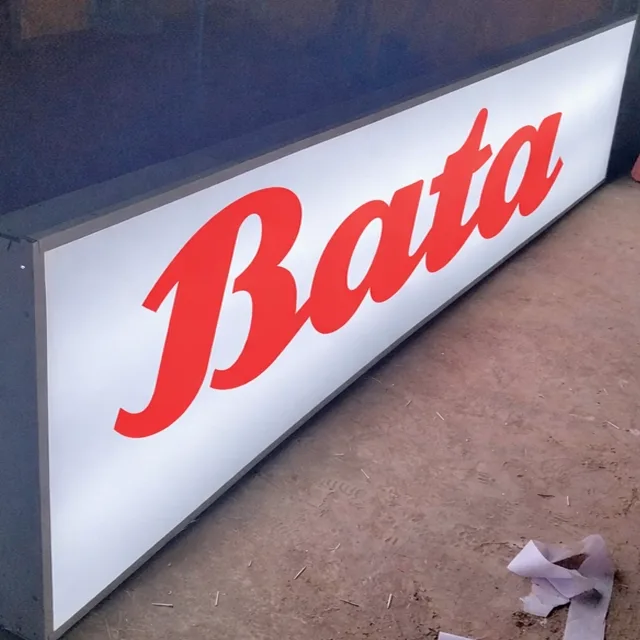
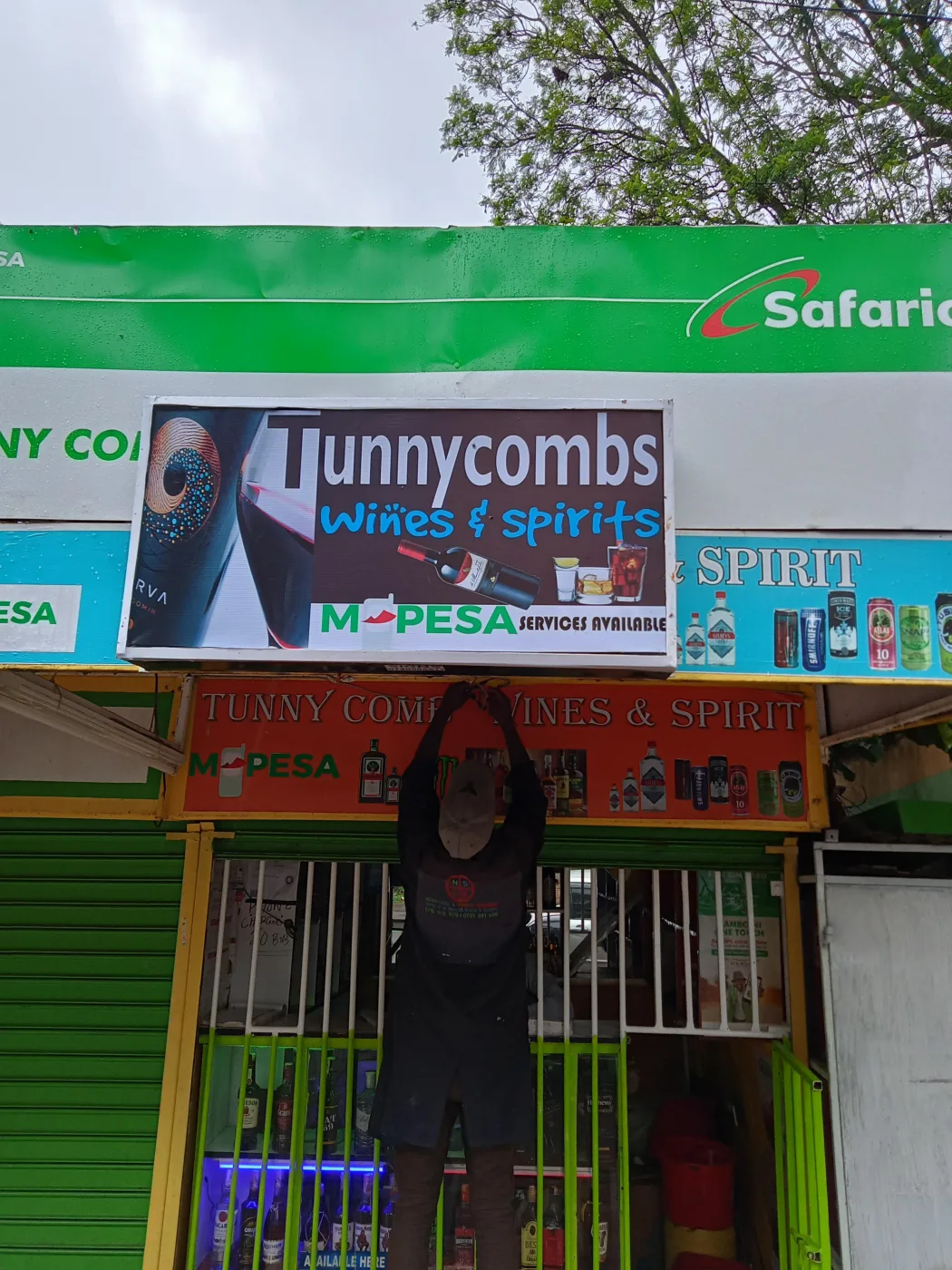
A light box has one big advantage: its face is a printed skin held in a frame, so a restaurant can change the menu or a shop its promotion by reprinting one sheet, without touching the box or the wiring. Lit letters suit a name more than a picture, and they are quoted per letter at a stated height, which is the only fair way to compare two quotes.
The costly mistake Buying a lit sign on price alone, with unbranded LED strip inside. It looks the same on day one. A year later a module fails, part of the sign goes dark, and the repair costs more than the saving. A dark letter on a lit sign is worse than no lighting at all.
The question that decides how long it lasts
Ask which LED modules are inside, and ask to see their datasheet. A good datasheet states how long the module is built to last. For example, the datasheet for one branded channel-letter module, the BaltLED Crown OPTO S2, gives a lifetime of L70 50,000 hours with a five-year round-the-clock warranty. L70 is the point at which a module still gives 70% of its original light. At twelve hours a night, 50,000 hours is more than eleven years of evenings.
The same datasheet makes the warranty depend on correct storage, mounting and maintenance, and gives an operating range of minus 30 to plus 50 °C. That is why installation matters as much as the parts. We build our lit signs around branded modules rather than the lowest-cost strip, and we handle the power routing, fixings and making good the wall.
Choose in four questions
- Is it a name or a picture? A name suits letters. A logo with many colours, a photo or a menu suits a light box.
- How far away is the reader? Across a road or from a moving car, face-lit letters are the clearest. In a corridor or reception, halo-lit reads beautifully.
- Will the content change? If yes, a light box face can be reprinted for the cost of the print.
- What does the wall allow? On rough plaster or a rented frontage, letters on a backing panel install more cleanly and can move with you. Built-up 3D letters can be lit or unlit.
Budget for the running costs too A lit sign uses power every night, and Nairobi County lists an annual charge for illuminated signs by size. The figures are in putting up a sign on a rented shop. A sign sized to be read, rather than to cover the whole wall, costs less every year.
Lighting is part of why signage has become one of the most visible investments a Nairobi business makes, a trend we look at in how signage became a growing business tool in Nairobi.
Frequently Asked Questions
Still torn between the three? It usually comes down to the wall, the width and when people pass: by day or after dark. Share those and the choice makes itself.
Sources: BaltLED, Crown OPTO S2 sign module datasheet (read 14 October 2026). The eleven-year figure is 50,000 hours at twelve hours a night. Prices are Signsotech's published starting prices, October 2026.
Products in This Guide


Continue Reading
Comments are temporarily unavailable. Please check back soon.
Ready to Make Your Business Impossible to Miss?
From 3D signs to light boxes, we design, print and install signage that pulls customers in — across Nairobi and beyond.
Chat on WhatsApp
Join the Conversation