
Why 3D Signage and Vehicle Branding Still Win in Nairobi
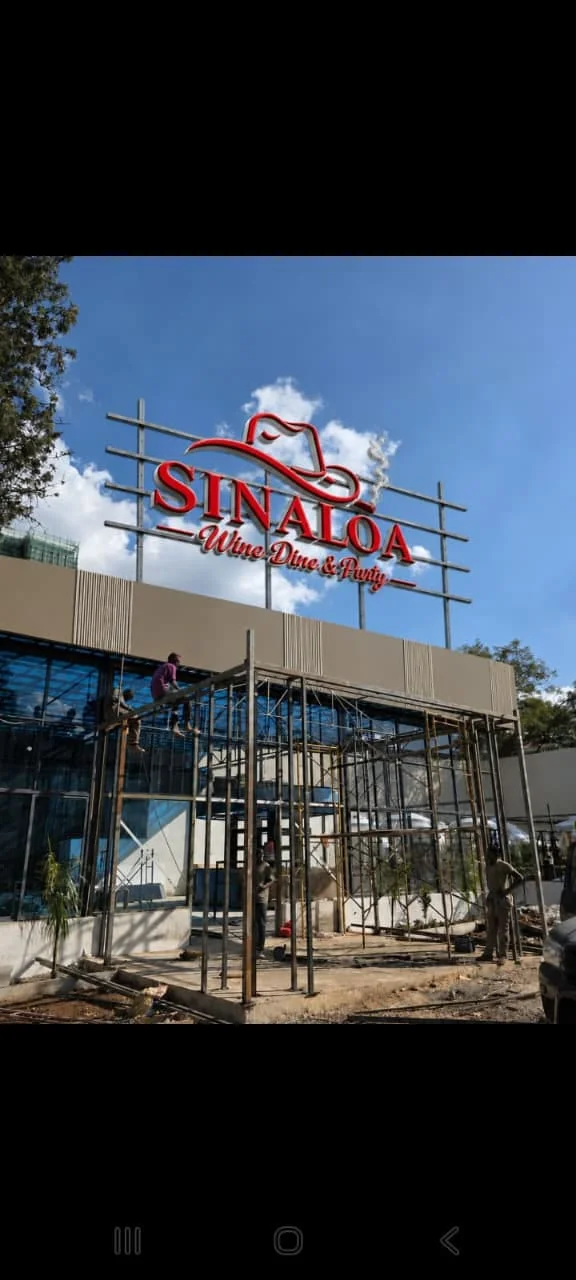
There is a simple test for any marketing spend: what happens when you stop paying for it? Stop your ads and the traffic stops that afternoon. A set of built-up letters on your building and a branded van on Mombasa Road keep working every day for years, to an audience that never once chose to look at an advert.
Why built-up letters read differently to a flat board
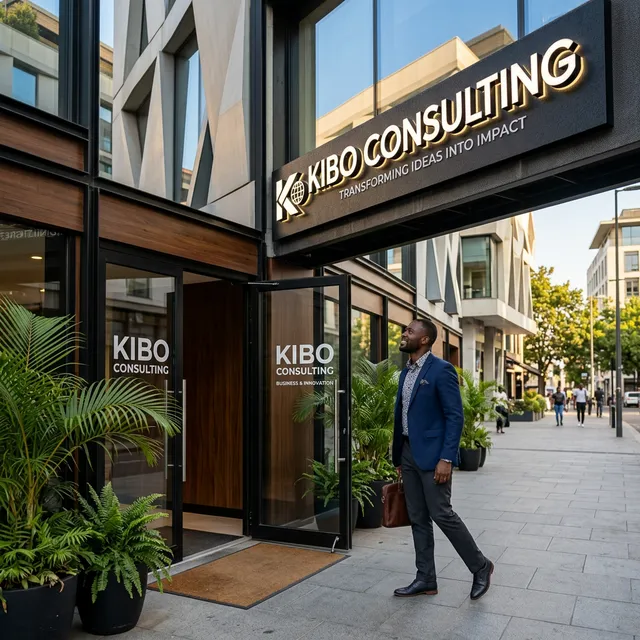
A printed flat panel is a picture of a sign. Built-up 3D letters are objects — cut from acrylic, brushed aluminium or mirror stainless and fixed proud of the wall so they cast a shadow. That shadow is the whole point. It gives the frontage depth, it reads from an angle rather than only head-on, and it signals a level of spend that customers read, correctly, as permanence.
The material decides the price far more than the size does. Acrylic is the affordable end and looks excellent indoors. Brushed aluminium survives outdoors in Nairobi weather and holds its finish. Mirror stainless is the premium option and behaves accordingly. If the letters are going somewhere with no light on them, illumination is worth costing at the same time rather than retrofitting later.
The mistake that costs twice: choosing a material for indoor conditions and then installing outdoors. Sun and rain in Nairobi are unforgiving on the wrong substrate, and a sign that degrades in eighteen months has to be paid for a second time. Tell your fabricator exactly where it is going and how much direct sun it gets.
What a branded vehicle actually buys you
A vehicle wrap is the only advertising you own that goes and finds its audience. It sits in traffic on Mombasa Road, it parks outside a client site while your team works, and it is seen by people in a completely different part of the city from your premises. For a business that goes to its customers rather than the other way round, it is usually the highest-value branding available.
What matters most is restraint. The wraps that work carry three things: what you do, your name, and one way to contact you, all readable at speed from another lane. The wraps that fail try to list every service in six-point type. If a driver cannot take it in at a glance in moving traffic, it may as well be blank.
Choosing between them
- Fixed premises, walk-in trade — signage first. People must be able to find and identify you from the street.
- Mobile service business — vehicle branding first. Your van covers more ground than your frontage ever will.
- Both — do the signage first, then apply the same identity to the vehicle so the two reinforce each other rather than looking like two different companies.
If you are weighing this against cheaper options, it is worth reading the hidden cost of cheap signage first, and how sign placement affects walk-in customers if the question is where to put it.
Frequently Asked Questions
Products in This Guide


Continue Reading

Ready to Make Your Business Impossible to Miss?
From 3D signs to light boxes, we design, print and install signage that pulls customers in — across Nairobi and beyond.
Chat on WhatsApp
Join the Conversation