
How Great Signage Builds Customer Trust Instantly
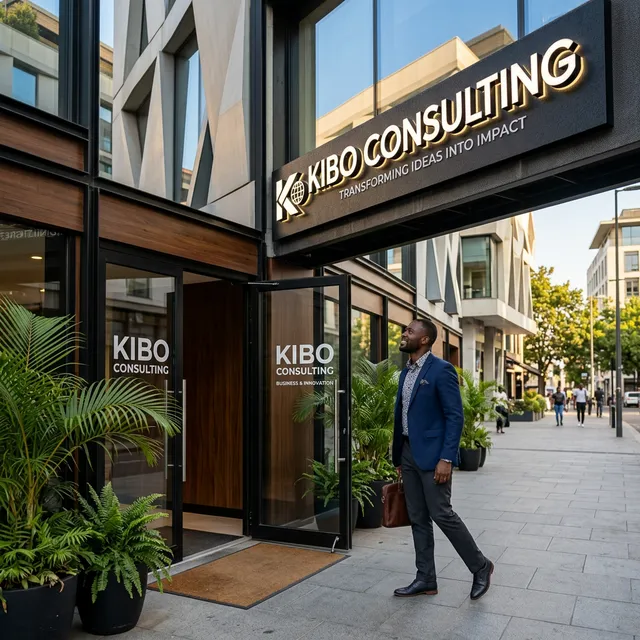
Customers form impressions about a business within seconds. Before speaking to staff or exploring products, they often judge the brand based on visual cues. One of the most influential cues is signage.
The First Impression Effect
When customers see a well-designed sign, they often assume the business is professional and trustworthy. Conversely, poorly maintained signage may create doubts about the quality of products or services.
The Role of Materials and Craftsmanship
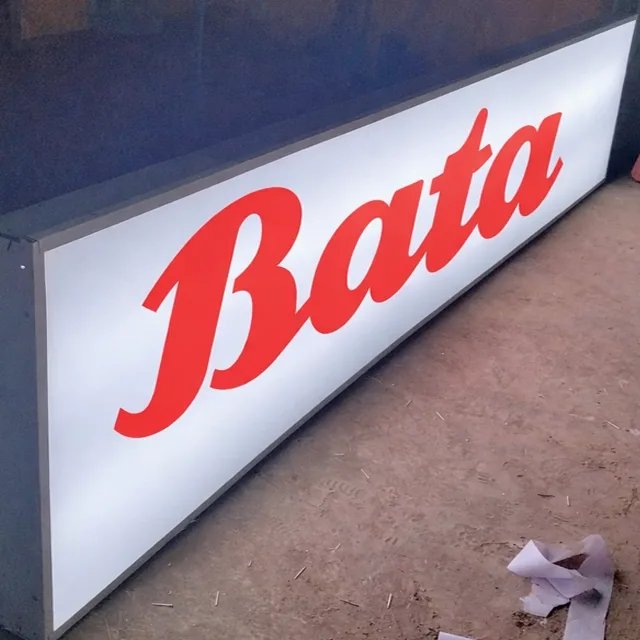
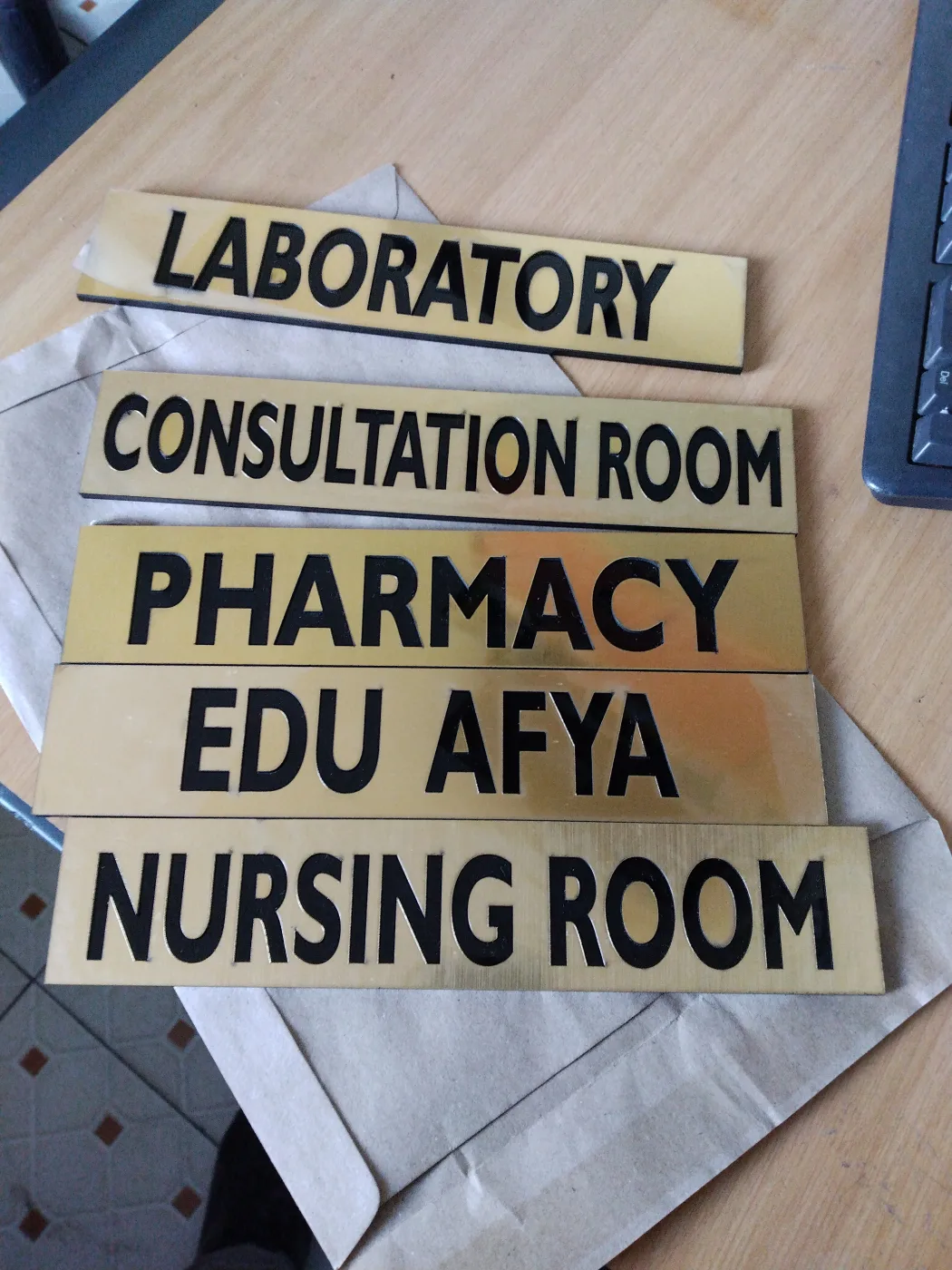
Premium signage materials such as acrylic, aluminum, and illuminated letters create a sense of durability and sophistication. Attention to detail also signals that the business values quality.
Why Consistent Branding Builds Confidence
When signage matches other brand elements such as packaging and marketing materials, customers experience a sense of cohesion. Consistency reinforces credibility.
Frequently Asked Questions
What a customer reads from your frontage before you speak
Trust is not built by claiming to be trustworthy. It is inferred, quickly, from a handful of signals that cost very little to get right.
- Is it maintained? A faded, peeling or half-lit sign says the business is not being attended to, whatever is happening inside.
- Is it specific? “General Merchants” tells a passer-by nothing. Naming the trade tells them whether to stop.
- Is it consistent? When the sign, the receipt book and the delivery vehicle all match, the business reads as organised.
- Are the details current? An old phone number on a sign is a small thing that undermines everything near it.
The trust signals worth printing
- Opening hours, accurate, visible from outside.
- Genuine certifications only. If you hold them, show them. Never display a mark you do not hold — in regulated trade it is a serious problem, not a marketing shortcut.
- A physical address. For any business also selling online, a real address is one of the strongest trust signals there is.
- Identifiable staff. ID cards and branded uniforms matter most where staff enter customer premises.
The signal that outlasts every other one
Businesses that keep customers for years rarely have the most striking signage. What they have is signage that has said the same thing, in the same colours, in the same place, for a long time. Recognition compounds; novelty does not. If a customer who last visited two years ago can still find you from the far pavement, that frontage has done more for the business than any redesign would have.
Where trust is won and lost after the sale
The frontage gets them through the door. What is printed after that decides whether they come back.
" . ul([ "A proper receipt. A numbered, branded receipt tells a customer there is a record of what they bought, which matters most exactly when something has gone wrong.", "Clear labelling. A product whose label states what is inside, who made it and when, is a product a customer can complain about — and that is a feature, not a risk.", "Consistent follow-up material. A quote on headed paper reads differently from a quote in the body of a message.", "Anything you promised, in writing. Warranty terms, care instructions, return conditions. Printed, handed over, not recited.", ]) . "The cheapest trust repair available
Walk out and look at your own frontage as a stranger, in daylight and after dark. Most trust problems in signage are maintenance problems — a dead lamp, a lifted corner, a superseded phone number — and they are cheap to fix once somebody has actually looked.
Only if you genuinely hold it. A real certification mark is a strong trust signal in regulated trade. Displaying one you do not hold is a serious matter, not a marketing decision, and buyers in regulated categories do check.
Refresh when it stops being accurate or stops being legible — a changed phone number, a faded face, a dead lamp. Refreshing on a schedule for its own sake wastes the recognition you have built. Maintenance beats redesign in almost every case.
Products in This Guide

Continue Reading


Ready to Make Your Business Impossible to Miss?
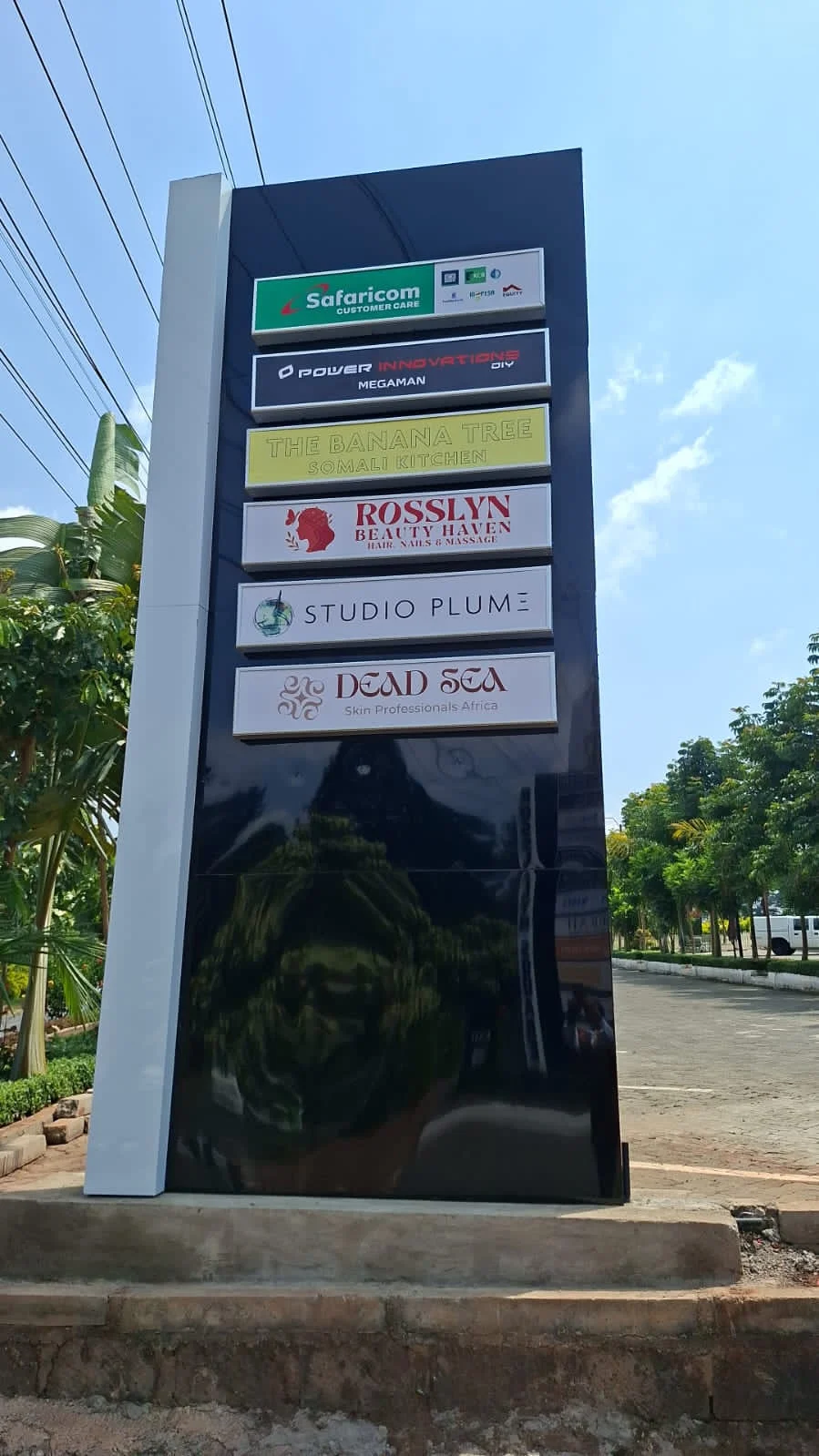
From 3D signs to light boxes, we design, print and install signage that pulls customers in — across Nairobi and beyond.
Chat on WhatsApp
Join the Conversation