
Paper, Vinyl, BOPP or Clear? Choosing a Label That Survives Your Product

A label can look perfect when it leaves the printer and fail the first time it meets a fridge. Paper soaks up condensation, the edges lift, the ink softens, and the product that looked shelf-ready on Monday looks tired by Wednesday. The material is the decision that prevents this, and it depends on where your product will live, not on how the label looks on a desk.
The short answer
Use paper for dry cartons and boxes. Use synthetic vinyl or BOPP film with a laminate for anything chilled, handled wet or used in a bathroom, such as water, juice and cosmetics. Use clear film when you want the "no label" look on glass or clear plastic. Send the actual container so the label is sized to its curve.
Key takeaways
- A paper label on a chilled bottle lifts at the edges within a day. Film labels go through a chiller and an ice bucket and come out flat.
- Food labels must stay on and stay readable: the international food labelling standard says so in plain words.
- Curves crease flat-sized labels. Size the artwork to the real jar or bottle.
- Batch numbers, dates and barcodes can be printed variable, so every label carries its own.
The four materials, and where each belongs
| Material | Survives | Fails on | Use it for |
|---|---|---|---|
| Paper | Dry storage, outer cartons | Condensation, wet hands, fridges | Boxes, shipping cartons, dry goods |
| Synthetic vinyl | Water, chilling, handling | Very little, when laminated | Cosmetics, cleaning products, chilled packs |
| BOPP film | Chillers, ice, wet bottles | Rough surfaces where adhesive cannot grip | Water, juice, drinks bottles |
| Clear film | Moisture, like other films | Busy backgrounds behind it, where text gets lost | Glass jars, clear bottles, premium "no label" looks |
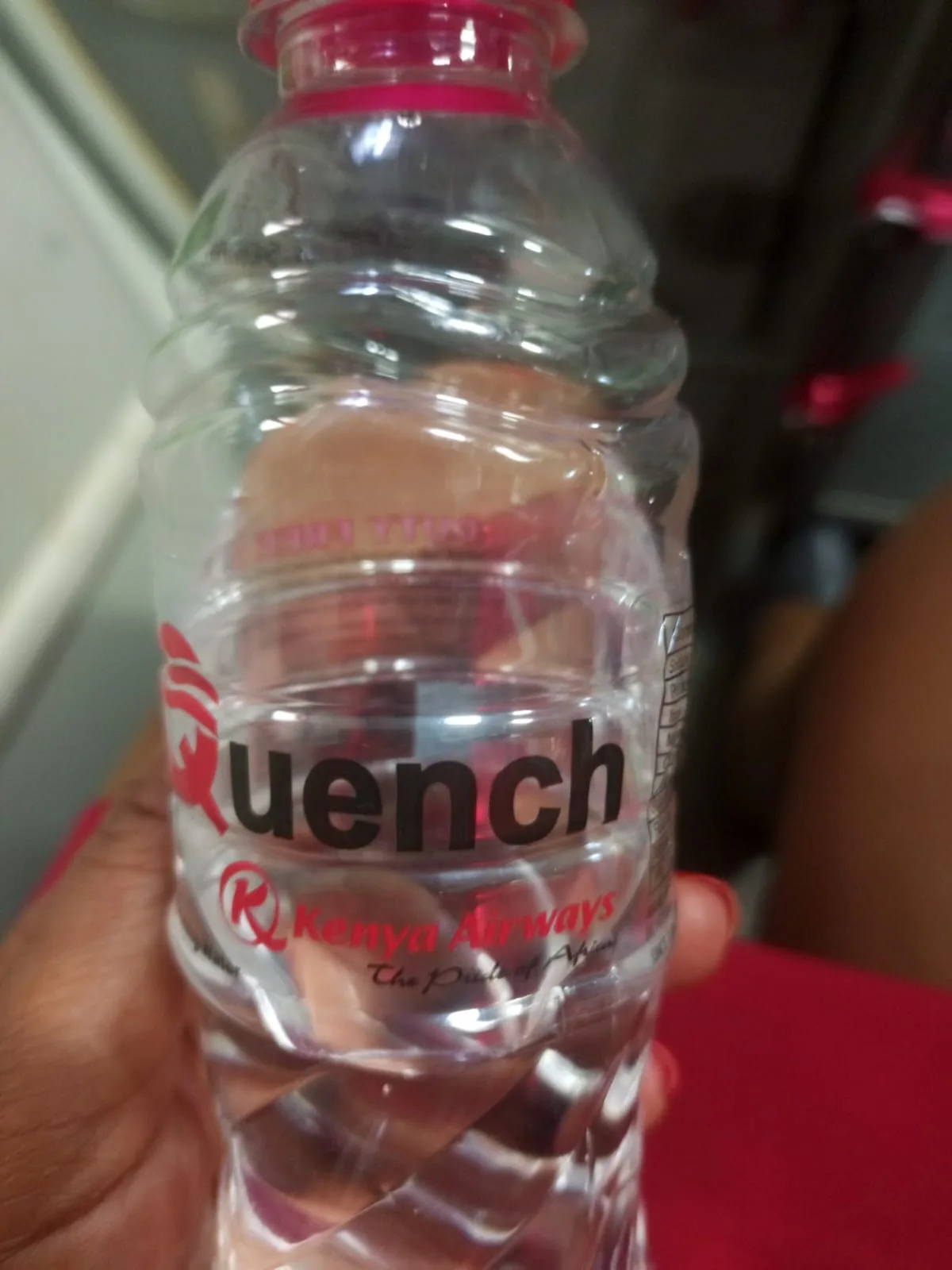
BOPP (biaxially oriented polypropylene) is the film commercial bottlers use, and it is what we print water bottle labels on, with a laminate over the print. Our product label stickers come in paper or synthetic vinyl, with gloss or matt laminate, and tamper-evident stocks where a seal must show if it has been broken.
The costly mistake Choosing paper labels for a chilled drink because they were cheaper per piece. The first delivery to a shop fridge comes back with lifting, smudged labels, and the whole batch has to be relabelled by hand. On anything that will be cold or wet, the film costs less than the second labelling.
Staying on and staying readable is a standard, not a preference
For food, the international reference text is clear. The Codex General Standard for the Labelling of Prepackaged Foods says labels shall be applied so that they will not become separated from the container, and that mandatory statements must be clear, prominent, indelible and readily legible under normal conditions of purchase and use. A label that peels off in a fridge, or whose date smudges under a wet thumb, fails on both counts, whatever it looked like at the printer.
Getting the fit right on a curved pack
- Send the container, or at least its diameter and height. A label sized flat for a 60 mm jar creases on the shoulder.
- Size the wrap to the bottle, not a standard rectangle. A 500 ml and a 1 litre bottle have different circumferences and label heights; the wrong size leaves a gap or overlaps into a wrinkle.
- Choose rolls or sheets by how you apply. Rolls with a set gap suit machines and volume; kiss-cut sheets suit hand application in small batches.
- Plan the variable fields. Batch, expiry, barcode and QR can each be printed per label.
- Test one before the run. Stick a sample on the real pack, chill it, handle it wet, then check the edges and the date.
The clear-label look Clear transparent labels make text appear printed straight onto the glass. They work best on a plain, light-coloured product behind the bottle; against a dark or busy liquid, dark text disappears, so test the artwork against the real contents.
The barcode on the label has rules of its own, set out in how to get a product barcode in Kenya. For event and own-brand water, we cover the full job in custom water bottle labels.
Frequently Asked Questions
One real container settles more than any description. With it, and a note of where the product is stored and how it is handled, the material and size are fixed before the first run of 500 pieces prints.
Sources: FAO, Codex General Standard for the Labelling of Prepackaged Foods (CODEX STAN 1-1985, Rev. 1-1991), sections 8.1.1 and 8.1.2 (read 14 October 2026; the standard has since been revised, so check the current edition for your product). Prices are Signsotech's published starting prices, October 2026.
Products in This Guide

Continue Reading
Comments are temporarily unavailable. Please check back soon.
Ready to Print Your Compliance Labels?
We print millions of KEBS UCR labels and custom product stickers at Mecca House, Nairobi CBD. Bulk discounts apply.
Chat on WhatsApp
Join the Conversation