
Custom Water Bottle Labels: Branding Every Guest Holds

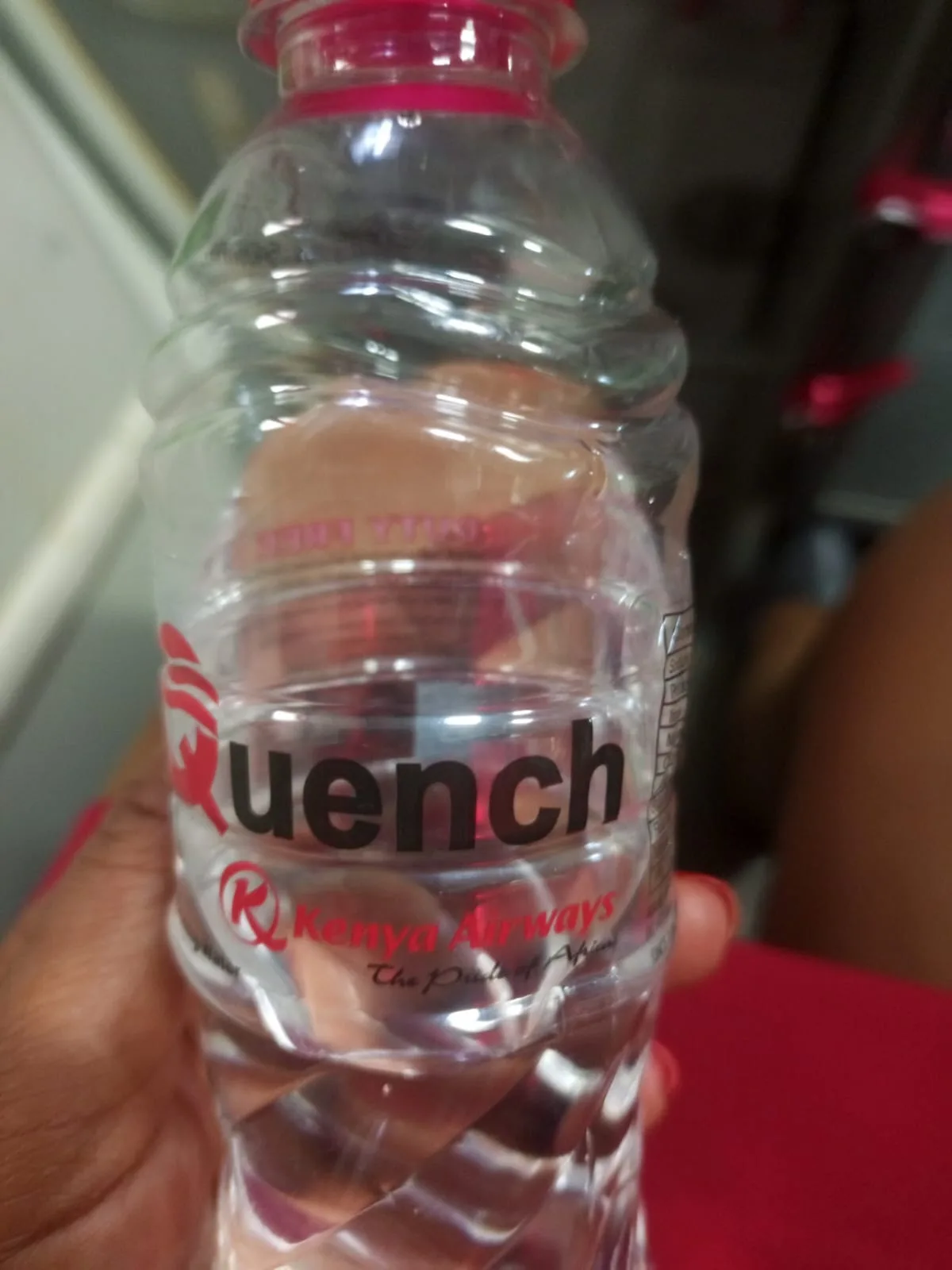
At a conference, a wedding or a launch, there is one item that every single person present holds, looks at, and keeps on the table in front of them for an hour. It is not the banner and it is not the programme. It is the water bottle. Which makes the label on it the cheapest branded surface at the entire event.
Why paper labels fail, every time
This is the one technical thing worth understanding. A chilled bottle sweats. Condensation forms on the plastic and sits between the bottle and the label. A paper label absorbs it: the edges lift, the print softens, the colour bleeds, and by the time it reaches the table it looks damaged. Guests do not think "poor label stock" — they think the event is cheap.
The fix is material, not adhesive. Synthetic vinyl or BOPP film does not absorb water, and with a laminate over the print the label survives an hour in an ice bucket and still looks the way it did in the box.
Size the label to the bottle, not to a standard rectangle. A 500ml bottle and a 1 litre bottle have different circumferences and different label panels. A label sized for the wrong one either leaves a visible gap or overlaps itself. Tell us the bottle you are actually using, or send us one.
Rolls or sheets
- Rolls — for machine application and for high volumes. Faster, more consistent, and what a bottling operation will expect.
- Sheets — for hand application at smaller quantities. Perfectly good for an event run where someone is applying them by hand the day before.
Two very different markets order these constantly. Events — weddings, conferences, graduations, church functions — where the run is small and the deadline is fixed. And own-brand water producers, where the run is large, the artwork is settled, and consistency across thousands of units is the whole job.
What to send us
Artwork as vector where possible, the bottle size, the quantity, and the date you need them. If you are also doing branded cups, tags or apparel for the same event, it is worth doing them together so the colours match — printers and garment suppliers reproduce colour differently, and matching after the fact is not always possible.
If this is part of a wider identity you are still building, the smart branding guide for solopreneurs covers the order to do things in.
Specifying a bottle label that survives the ice bucket
Event bottles have a harder life than shelf products, and the failure is always the same: the label lifts as condensation forms.
- Synthetic face stock, not paper. Paper wicks water and goes translucent and soft within minutes in a cooler.
- A wet-strength or cold-tack adhesive. Standard adhesive loses grip on a cold, damp surface — this is the single most common failure.
- A laminate if the bottles will be handled a lot. Wet hands lift unlaminated print.
- Correct sizing for the bottle. A label sized for a 500ml bottle will not sit right on a 300ml one, and a badly wrapped label is more noticeable than no label.
Making the branding actually work at an event
- Design for the label as it is seen — curved, in a hand, at a distance. Large simple marks read; fine detail disappears.
- Put one useful thing on the back. A QR code, a hashtag or a stand number turns the bottle into something more than decoration.
- Match it to the rest of the event print — the same two colours on the bottles, the backdrop and the name badges is what makes an event look properly organised.
- Order more than you think. Bottles get taken. That is the point, but it changes the arithmetic.
Test it before the full run
Apply a sample to the real bottle, put it in an ice bucket for an hour, then handle it with wet hands. If it is still flat, clean and readable, it will survive the event. This one test has saved more branded-water orders than any specification conversation.
Frequently Asked Questions
Products in This Guide

Continue Reading
Comments are temporarily unavailable. Please check back soon.
Need Print That Works as Hard as You Do?
Business cards, brochures, receipt books and more — premium print with fast turnaround from Mecca House, Nairobi CBD.
Chat on WhatsApp
Join the Conversation