
Why Branded Receipt Books Make a Small Business Look Bigger

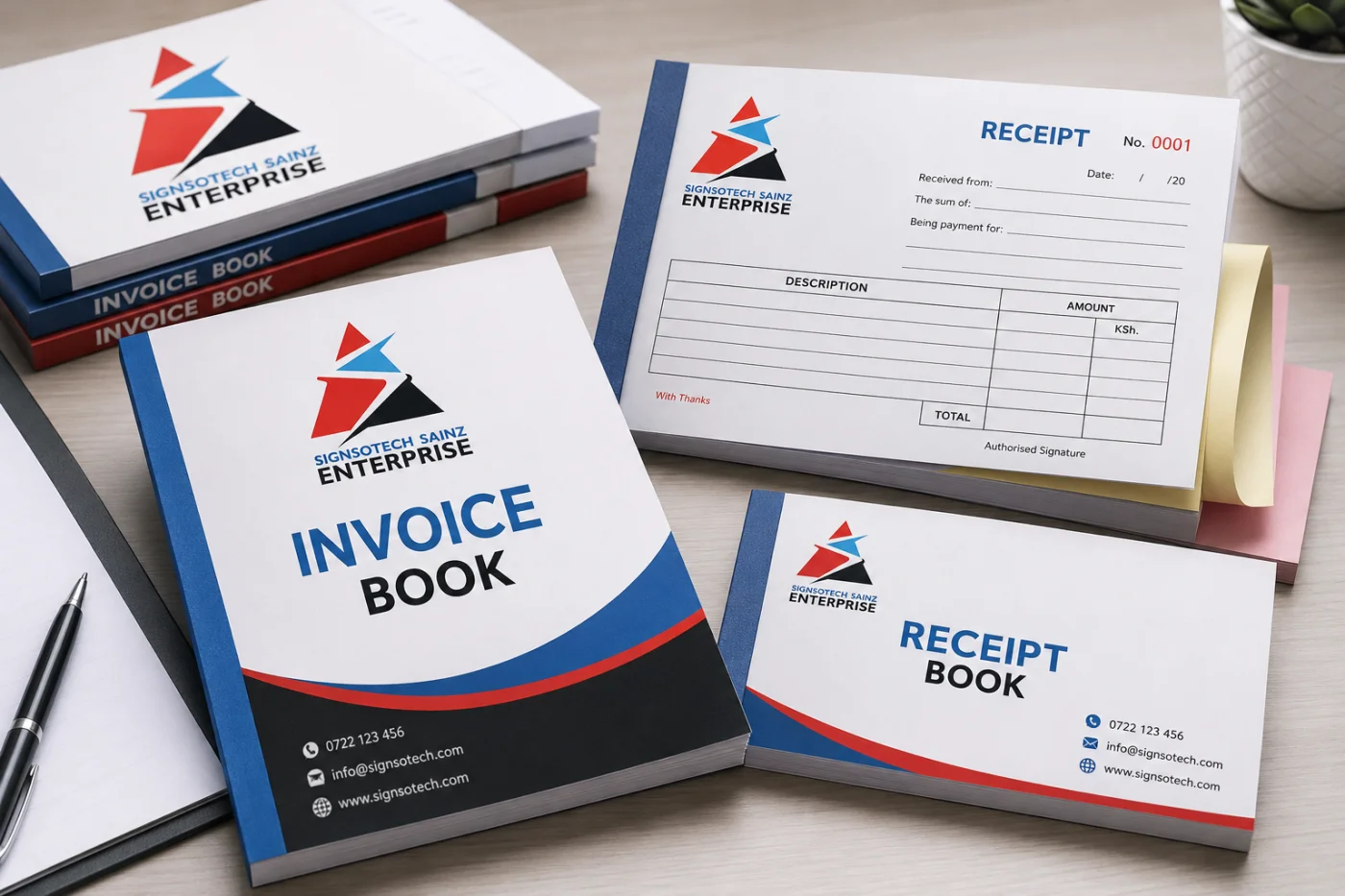
Think about the last transaction you made with a small supplier. The thing you took away was not their sign or their website. It was a piece of paper. If that paper is a generic carbonless book bought from a stationery shop with a name scrawled at the top, it says something about the business. If it carries their logo, their numbering and their terms, it says something else entirely.
What NCR actually means, and why it matters
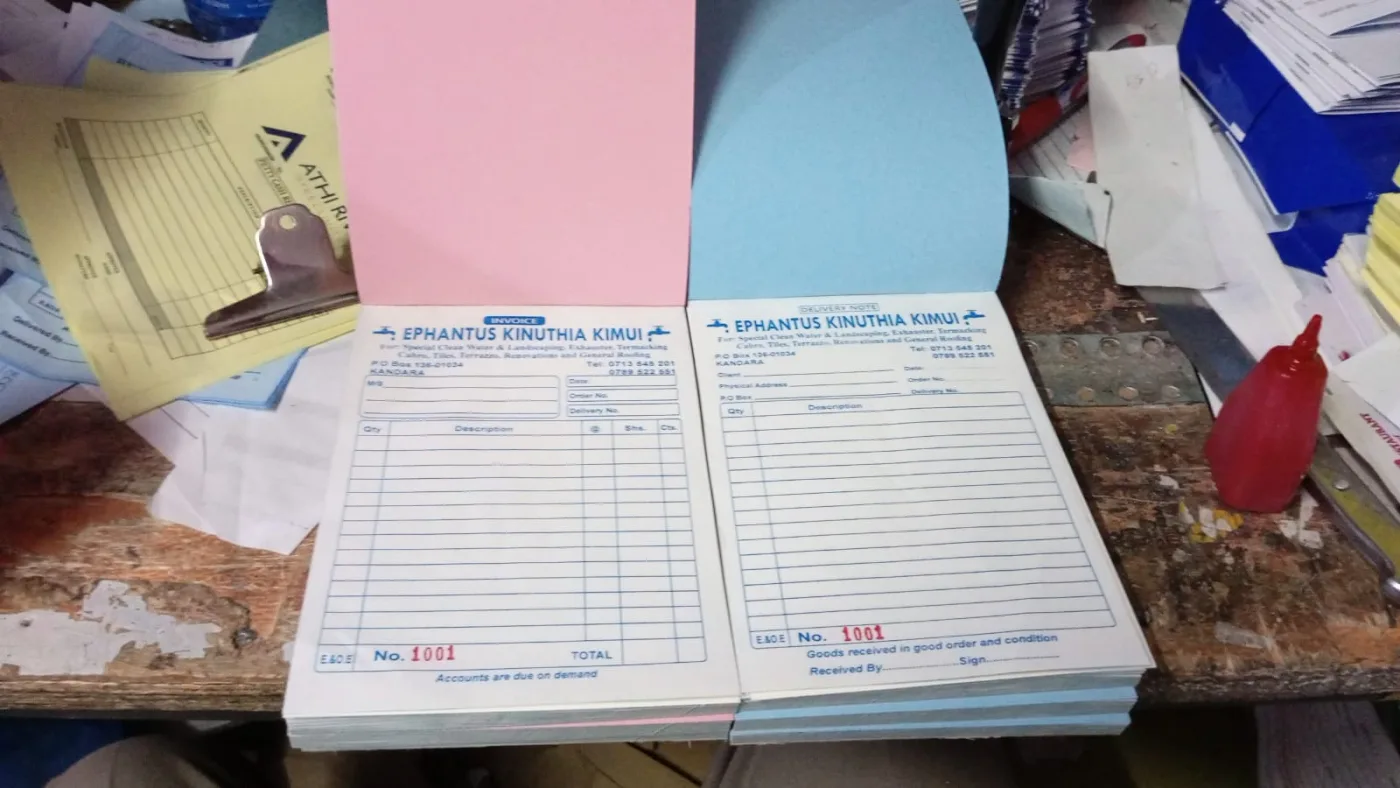
NCR stands for No Carbon Required. It is paper treated so that writing on the top sheet transfers to the sheets below without a sheet of carbon in between. A duplicate book gives you two copies — one for the customer, one for you. A triplicate gives you three, which is what you want when a copy has to go to a driver or a store as well.
The practical benefit is not the paper, it is the discipline. A numbered book that goes in sequence is a record. When a customer queries an invoice from four months ago, you can find it. When you are reconciling at month end, the gaps tell you where a book has gone missing. That is a small amount of structure that quietly protects the business.
Specify sequential numbering, always. It costs very little and it is the single feature that turns a pad of paper into an audit trail. Numbering also makes it obvious when a book has been used out of order or a copy has been removed — which matters more than most owners expect.
What to specify when you order
- Size — A6 for simple receipts, A5 for most invoicing, A4 where you need line items and detail.
- Duplicate or triplicate — decide by who needs a copy, not by price.
- Numbering — sequential, and tell the printer what number to start from if you are continuing an existing series.
- Your details — name, logo, phone, and your payment terms if you have them. A term printed on the document is far easier to enforce than one you mentioned.
- Binding — stapled is fine for high volume; glued edge feels more substantial for client-facing work.
Where it fits with everything else
Stationery works as a set. A receipt book, a business card and a company profile that share one identity read as a business that has its house in order; three different looks read as three different suppliers. If you are building that identity from scratch, the smart branding guide for solopreneurs covers the sequence to do it in.
What a useful receipt book has to contain
A branded book is only worth printing if it is also a valid record. These are the fields to specify at ordering.
- Your registered business name and tax details. Printed, not written in by hand each time.
- Sequential numbering, pre-printed. This is the whole point of a book — a gap in the sequence is visible, and that is what makes it an audit trail.
- A duplicate or triplicate set. One copy leaves with the customer, one stays with you. Triplicate if a third copy goes to accounts.
- Space for the actual transaction. Date, description, amount, and who received it. Books that run out of room get filled in badly.
Getting the specification right first time
- Decide the number range before printing, and keep a record of which book covers which range. Re-using numbers across books destroys the trail.
- Choose the paper set deliberately. Carbonless (NCR) paper is cleaner and more reliable than interleaved carbon, and it costs little more.
- Perforate the customer copy so it tears cleanly. A copy torn raggedly out of a bound book looks improvised.
- Order enough. The per-book cost falls sharply with quantity, and running out mid-quarter is how businesses end up back on generic books.
Before you approve the proof
Check the tax details digit by digit, check the phone number is the one you still use, and check the starting number. These three are the errors we see most often, and all three are free to fix on the proof and impossible to fix once a thousand books are bound.
Frequently Asked Questions
Products in This Guide


Continue Reading
Comments are temporarily unavailable. Please check back soon.
Need Print That Works as Hard as You Do?
Business cards, brochures, receipt books and more — premium print with fast turnaround from Mecca House, Nairobi CBD.
Chat on WhatsApp
Join the Conversation