
Why Some Products Get Rejected by Supermarkets

Many small manufacturers believe getting their product into a supermarket depends mainly on quality or demand. But in reality, many products are rejected before buyers even consider them. The reason is usually label compliance. Retailers rely on standardized labeling and barcodes to manage inventory, pricing, and traceability. If a product doesn’t meet those requirements, it can’t enter the retail system.
Why Retailers Require Standardized Labels
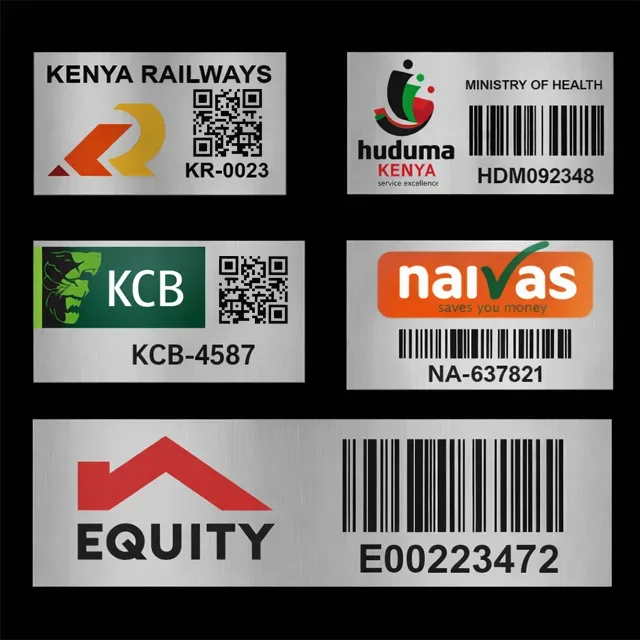
Modern retail relies on scanning systems and digital inventory tracking. Barcodes and standardized labels allow stores to:
- track stock levels automatically
- manage pricing in real time
- monitor product expiration
- ensure traceability in case of recalls
Without these systems, retailers cannot efficiently manage thousands of products.
Common Labeling Mistakes That Cause Rejection
Missing barcode: Products without scannable barcodes cannot be entered into the store’s inventory system.
Incomplete product information: Labels should clearly include manufacturer details, ingredients, or instructions depending on the product category.
Poor print quality: Low-resolution labels can cause scanning errors or appear unprofessional.
Inconsistent packaging: Retailers prefer products that maintain consistent branding across batches.
Why Label Design Is Also Marketing
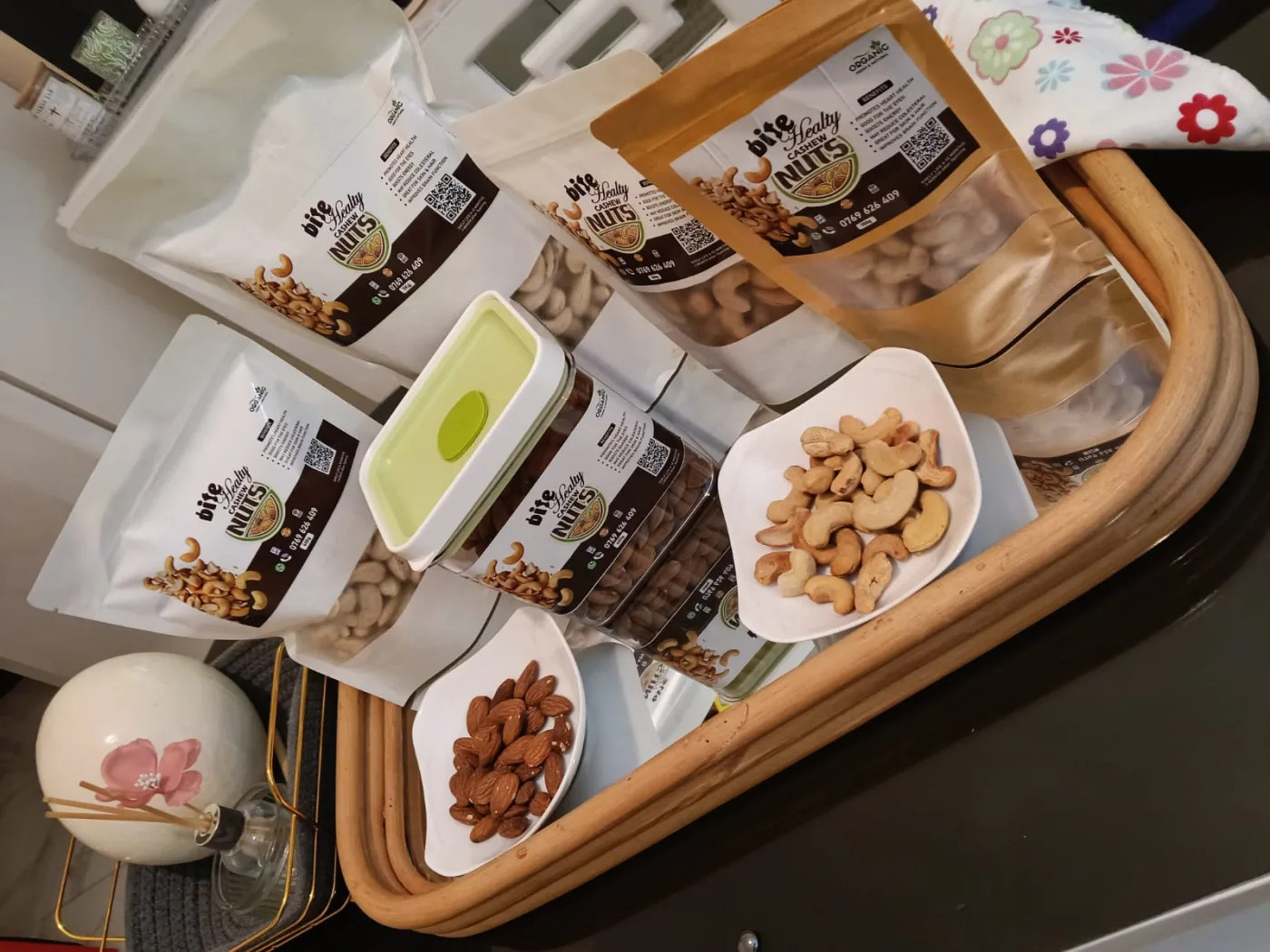
A label is more than compliance—it’s also the first point of communication with customers. Customers often decide within seconds whether a product looks trustworthy. Professional labels signal reliability, quality, and brand identity. This is why successful brands treat labels as both regulatory
Frequently Asked Questions
The rejections that have nothing to do with the product
Buyers reject on paperwork and presentation long before anyone tastes or tests what is inside the pack.
- The barcode does not scan at the till. This is an immediate stop. A code that scans on your desktop scanner may still fail on a curved surface or under till glass.
- Mandatory information is missing or unreadable. Net content, batch or lot code, best-before date, manufacturer name and address, and country of origin all have to be present and legible.
- No batch traceability. If a buyer cannot trace a specific batch, they cannot run a recall, and a supplier who cannot be recalled from is a liability they will not accept.
- The label fails in the chill chain. Lifting corners and smeared print in the cold room get the whole delivery turned back.
What to check before the first delivery
- Scan the finished label with a real handheld scanner, on the actual packed product, not on a flat proof.
- Confirm every mandatory field is present, legible at arm’s length, and correct.
- Confirm the batch and date coding method is one you can actually apply consistently at your volume.
- Put a labelled sample through the real journey — cold room, transport, a week on a shelf — and inspect it afterwards.
The step that saves whole consignments
Send the buyer a photograph of the finished, labelled product before the full run is printed. Their category manager will tell you in one message what they will and will not accept, and that message is worth more than any amount of guessing. Fixing a label at proof stage is cheap; fixing it after a rejected delivery is not.
Expect to be asked for your certification documents, evidence of batch traceability, and a labelled sample of the finished product. Requirements vary by chain and category, so ask the buyer for their checklist in writing before you print a full run.
Sometimes. If the base label is correct and only a variable field is wrong, an overlabel or an added batch sticker may be acceptable — but the buyer has to agree to it first. If the barcode itself fails to scan, a reprint is the only route.
Products in This Guide

Continue Reading


Comments are temporarily unavailable. Please check back soon.
Ready to Print Your Compliance Labels?
We print millions of KEBS UCR labels and custom product stickers at Mecca House, Nairobi CBD. Bulk discounts apply.
Chat on WhatsApp
Join the Conversation